14 October 2026
Core zone vs buffer zone in a biosphere reserve: what's the difference
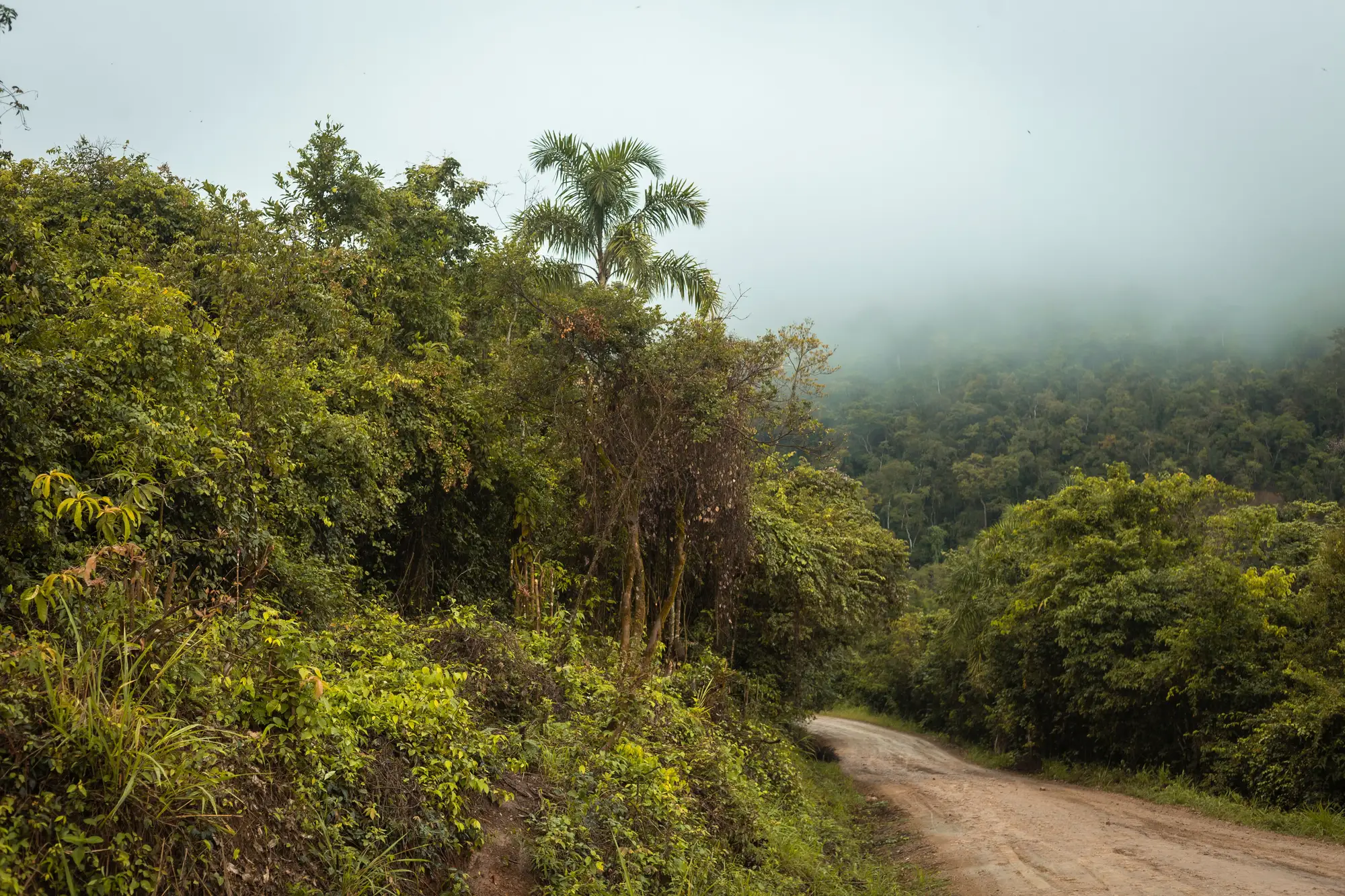
If you manage a UNESCO biosphere reserve, you've had this conversation at least once with a district forest officer who assumed the whole designated area was off-limits to everything. It isn't. A biosphere reserve is built on three nested zones, and the rules change depending on which one you're standing in. Mixing them up is how encroachment gets written off as "within the reserve" when it's sitting somewhere it was never supposed to be.
Core zone: the part that stays untouched
The core zone is the strictly protected center. UNESCO's Man and the Biosphere framework calls for legal protection here, usually backed by whatever your national wildlife or forest act already provides. No logging, no grazing, no settlement, no extraction. Research and low-impact monitoring are typically the only human activities allowed, and even those often need a permit.
This is the zone where a single new clearing or an access track cut overnight matters most, because nothing in that polygon is supposed to be there at all. A core zone violation is a clean legal breach the day it appears, whether or not a patrol happens to walk past it that month.
Buffer zone: the cushion, not a free-for-all
Wrap the core zone and you get the buffer zone. This is where things get less binary. Buffer zones generally permit activities compatible with conservation: ecotourism, environmental education, applied research, sometimes regulated collection of non-timber forest produce under a management plan. What's allowed depends entirely on your reserve's zonation plan and the conditions attached to it, so "buffer zone" on a map doesn't tell you much on its own. You have to check the permitted-use schedule for your specific reserve.
Where coordinators get tripped up is treating the buffer zone as low priority because it's "not the core." New cultivation or a mining pit inside the buffer can still be a straight violation if it falls outside what the management plan permits. And because buffer zones run right along the core zone edge, unchecked clearing there is often the first step toward pressure on the core itself.
Transition zone: where the working landscape lives
The outermost ring is the transition zone, sometimes called the area of cooperation. This is where settlements, farms, and local livelihoods are expected and, in most reserves, actively supported. UNESCO's own model treats this zone as the place where sustainable development and conservation goals are meant to work together.
That doesn't mean it's unregulated. Transition zones usually still carry land-use rules, forest clearance permissions, or watershed protections, just not the strict prohibitions of the core. Encroachment here looks different too: it's less about a violation existing at all and more about activity crossing a line it wasn't permitted to cross, like a cultivation plot expanding past its sanctioned boundary toward the buffer.
Why the zoning matters more than the boundary line
Most encroachment conversations start and end with "is it inside the reserve boundary." The zoning is the part that tells you what you're actually looking at. A clearing in the core zone and the same clearing in the transition zone are not the same problem, and they don't call for the same response speed or the same legal footing when you write it up.
That's also why zone boundaries, not just the outer reserve line, are what should be checked against ground reality on a regular cycle. A protected area authority that only reviews its outer perimeter misses the fact that the thing creeping inward is a buffer-zone violation that's been sitting there for months before anyone walks the line. Encroachment Alerting checks your reserve's boundaries, including zone divisions where you've mapped them, against a fresh satellite pass every month, so new clearing or a new access road shows up as a flagged location rather than something a patrol stumbles onto by chance.
If your zonation plan is sitting in a drawer instead of getting checked against what's on the ground each month, that's worth fixing before the next core zone violation sits unflagged for a season.