Blog
Notes on boundaries, patrols and monthly change.
 16 November 2026Field notes: the charcoal trail that led straight to the fence lineA ranger's field notes on how a charcoal kiln's supply trail grows, unseen, until it crosses the boundary line.
 16 November 2026What is a SMART patrol, and where does a monthly clearing alert fit in?A plain explainer on SMART patrols for protected area staff, and how a monthly clearing alert gives rangers something specific to check before they walk.
 9 November 2026How often should satellite imagery refresh for boundary monitoring?Daily or weekly imagery sounds thorough but rarely matches how encroachment develops. Here's how to pick a cadence your patrols can use.
- 9 November 2026Monthly satellite vs annual aerial survey: spotting new clearing in a park boundaryHow a monthly satellite pass catches new clearing, roads, and cultivation inside your boundary faster than waiting on the next aerial survey.
- 2 November 2026Field notes: the footpath that widened one metre at a timeA patrol trail that grew from a boot-width track to a cart road over three years, and why nobody on patrol noticed until it was already a problem.
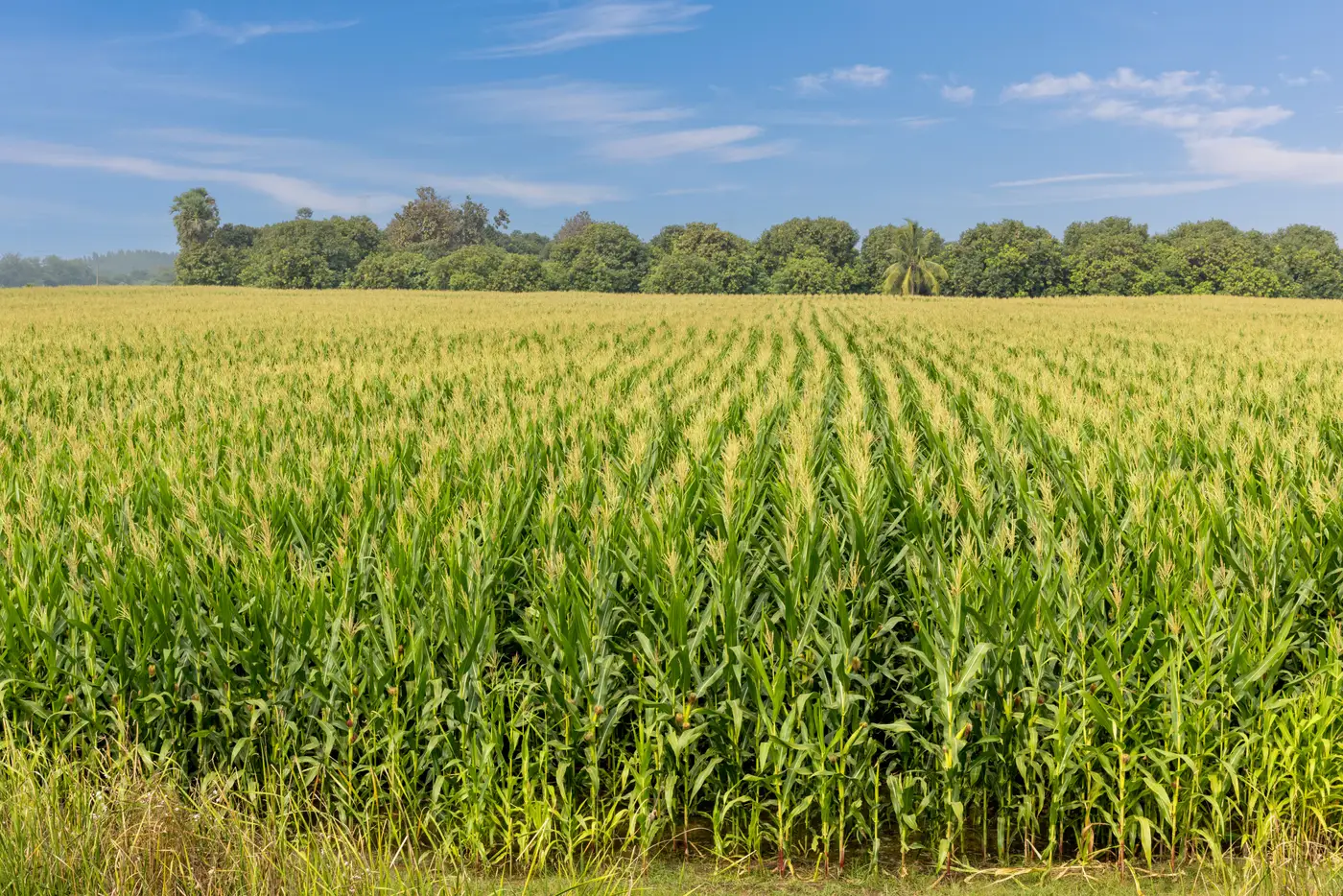 2 November 2026Concession boundary vs. protected area boundary: why they're not the same lineA ranger coordinator's guide to the difference between a concession boundary and a gazetted park boundary, and why the two lines keep ending up in court.
- 26 October 2026Cross-checking a clearing alert against your permit registerHow to check a monthly clearing alert against your permit register before sending a patrol, and rule out a licensed concession with confidence.
- 26 October 2026Boundary beacon vs gazette line: why they don't always matchA boundary beacon on the ground and the line in the gazette notice can disagree by meters or more. Here's why, and what it means for patrol work.
- 19 October 2026Field notes: the month the alert list flagged a mine that wasn't there yetA ranger's field notes on catching illegal mining at the staging stage, before the pit exists, when the only evidence is a cleared pad and a new track.
- 19 October 2026Core zone vs buffer zone: what the line on the map actually permitsCore zone vs buffer zone rules explained for protected area managers, and why boundary drift between them is where most encroachment disputes start.
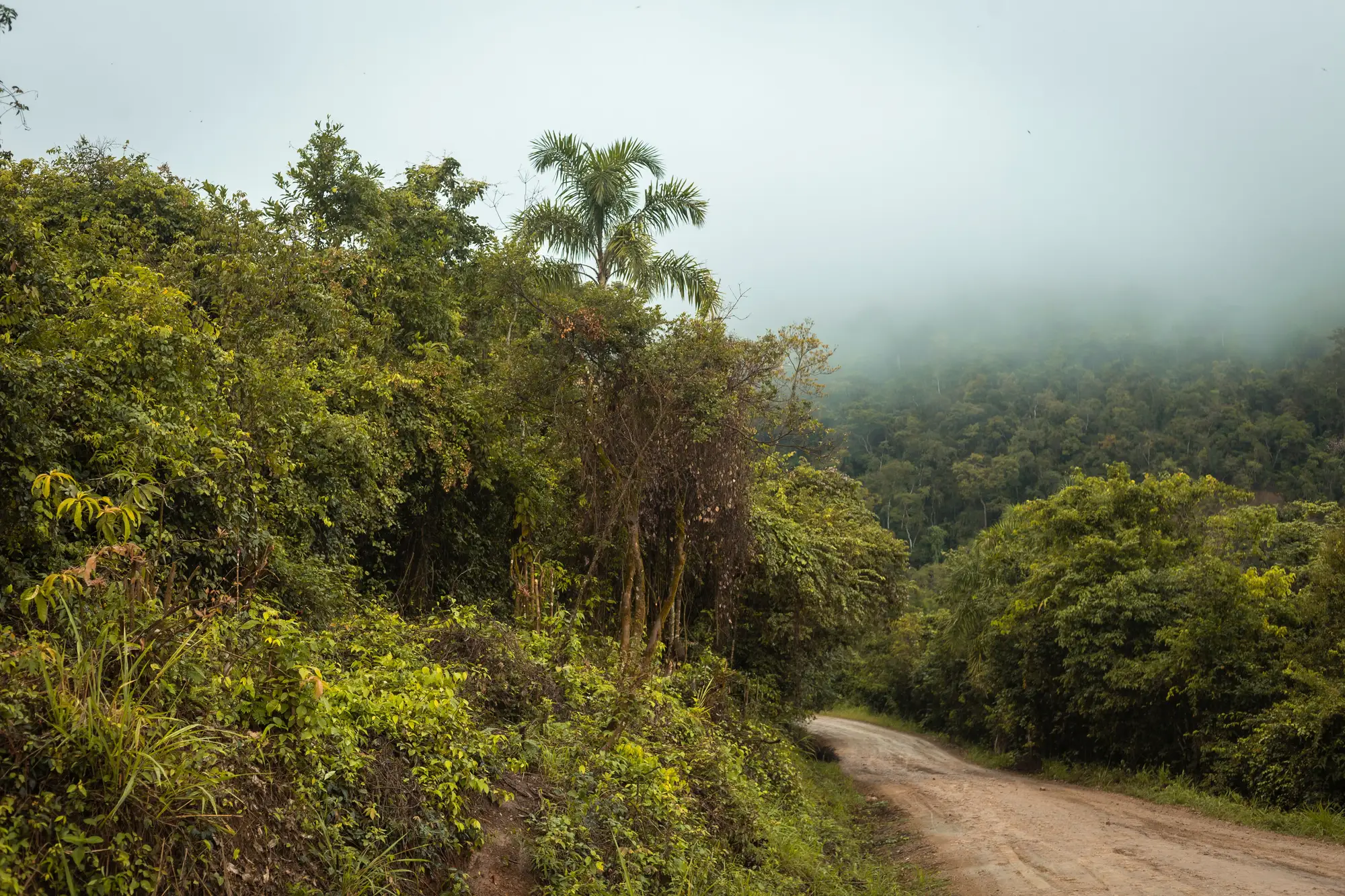 14 October 2026Core zone vs buffer zone in a biosphere reserve: what's the differenceCore, buffer, and transition zones in a biosphere reserve explained, plus why zone boundaries, not just the outer line, need regular checking.
- 14 October 2026What is a METT score and why protected area managers report itWhat a METT score is, why donors require it, and why the threats section is the part most protected area coordinators dread filling in.
- 13 October 2026Where encroachment monitoring fits into your management planHow a monthly boundary check fits into your protected area's monitoring and compliance reporting sections, without rewriting the whole plan.
- 13 October 2026How to prioritize ranger patrol routes from a monthly alert listA practical method for turning a monthly encroachment alert list into a sequenced patrol route: sort by freshness, access, and violation type.
- 7 October 2026Documenting illegal forest clearing for prosecution: what the case file needsHow protected-area officers build a court-ready encroachment case file: what satellite imagery proves, chain of custody, and ground-truth steps.
- 7 October 2026Shifting cultivation vs. permanent clearing: reading satellite imagery rightHow to tell a customary fallow plot cycling back from genuine encroachment when you're reading satellite passes against a protected area boundary.
- 7 October 2026How to verify an encroachment alert before you send a patrolA field checklist for ground-truthing satellite alerts and weeding out false positives before you burn patrol hours on a coordinate.
- 7 October 2026What counts as encroachment versus customary land use?How the legal definition of encroachment differs from customary rights inside a protected area, and what a boundary check can and can't tell you.